







Search Results for: Matsuya method

Using a lid for true blooming? The principles, parameters, and complete practical breakdown of the Matsuya-style brewing method
Have you ever seen a brewing method that uses a lid to "steep" coffee? This is no joke—it's the "Matsuya-style brewing" that originated in Japan in 1962. It uses a pot lid to achieve true blooming, paired with ultra-high pouring and an ultra-concentrated coffee-to-water ratio, then restores the flavor through bypass dilution. The core pursuit of this method is "stability": allowing both freshly roasted beans and beans that have rested for a week to fully release their gases during the blooming stage, thereby avoiding extraction fluctuations caused by differences in degassing. This article will provide a complete breakdown of Matsuya-style brewing, from its invention background and design logic to specific parameters, and using dark-roasted Sumatra·Golden Mandheling as an example, present Front Street Coffee's hands-on steps and tasting notes, taking you to experience the unique charm of this classic Japanese brewing method. [more…]
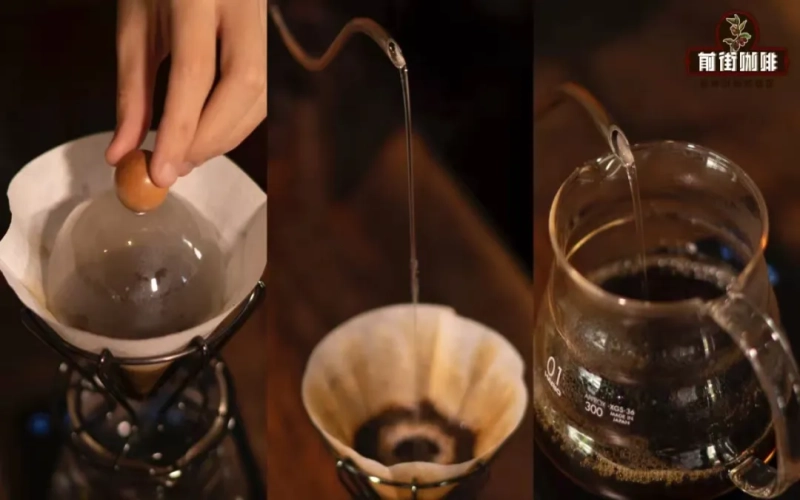
An In-Depth Analysis of the Japanese Matsuya-style Pour-Over: Why Are the Water Temperature, Blooming, and Coffee-to-Water Ratio So Extreme?
Extraction water temperature of 100°C, a bloom lasting as long as 180 seconds, a coffee-to-water ratio of 1:5, plus lid-on blooming, ultra-high pouring, and a large amount of bypass water—Matsuya-style brewing seems extreme in every respect, yet it was once believed to consistently produce good coffee and even took Japan by storm for a time. When Matsushita Yoshikazu created this method in 1962, measuring tools were not yet widespread, so he used techniques like boiling water, high pouring, and bypass to replace the thermometer and digital scale. Today, Front Street Coffee takes you through an in-depth breakdown to see what logic and wisdom lie behind these seemingly counterintuitive operations. [more…]
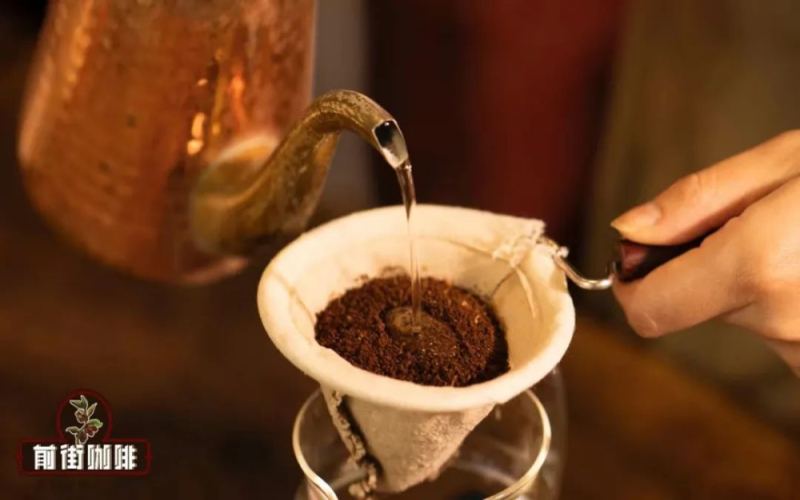
Comparison of the Three Major Japanese Dark Roast Brewing Methods: Principles and Operational Characteristics of Kono Drip, Matsuya-Style, and Volcano Brewing
Deep-roasted coffee beans are known for their rich, mellow bitterness, and the Japanese brewing tradition includes three classic methods designed specifically for such beans: the Kono drip method, the Matsuya-style brewing, and the volcano pour. Though they take different paths, their core goal is the same—to fully unlock the steady, grounded flavors of dark-roasted beans. The Kono method uses drip-style blooming to extend degassing time, the Matsuya style pursues stable extraction through ultra-high pouring and an extra-long bloom, while the volcano pour creates an erupting effect with segmented small-circle pours. All three generally use a higher coffee-to-water ratio, and some require bypass dilution. This article breaks down each method's origins, operating logic, and flavor profile one by one, and explains why these approaches are better suited to dark-roasted beans. [more…]
A Detailed Guide to Five Classic Pour-Over Coffee Techniques: Volcano Pour, Matsuya Method, Stirring Method, and More — Steps, Pros, and Cons
Pour-over coffee may seem simple, but in fact it hides many intricacies. For those just starting out, mastering different pouring techniques can bring out completely different flavor expressions from the same bean. This article will break down five commonly used pour-over methods one by one—the volcano pour and Matsuya method from Japan, the stirring method that became popular in Europe and the United States after winning the WBC, the delicate and refined drip method, and the academy-style brewing method with excellent stability. Each method will be fully explained from operational key points, applicable scenarios, to advantages and disadvantages, helping coffee lovers find the most suitable brewing method according to their own needs and the characteristics of the beans. Whether you are pursuing a rich mouthfeel or a bright sweetness, you can gain practical reference from it. [more…]
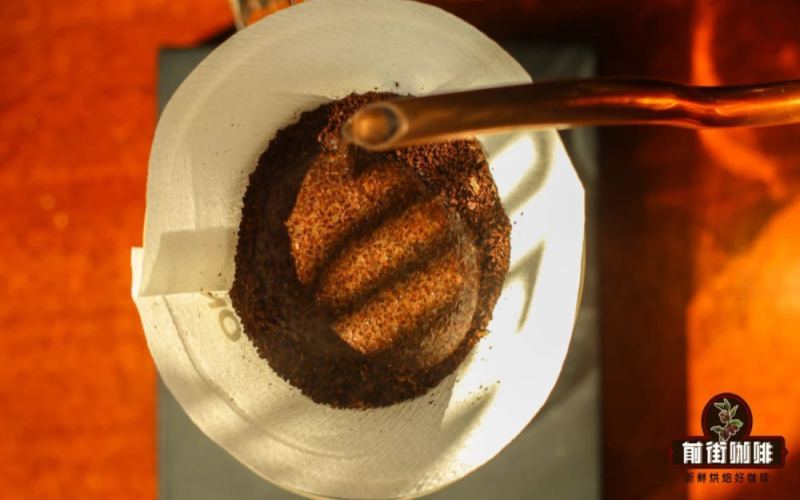
How to Choose Beginner Pour-Over Coffee Beans? Four Japanese Brewing Techniques and Recommended Everyday Beans from Africa, Asia, and the Americas
Many coffee enthusiasts who come to Front Street to buy beans ask: how can you hand-brew a coffee to bring out its best flavor? Front Street has always felt that brewing by hand is an enjoyment in itself, and coffee you brew yourself tastes all the more satisfying psychologically. This article first sorts out the four most mainstream Japanese hand-brewing techniques—Matsuya style, Kono style, volcano pour, and the zigzag pouring method—explaining their key operational points and taste characteristics; then, by the three major producing regions of Africa, Asia, and the Americas, recommends several high-value Front Street everyday beans suitable for beginners to practice with, along with specific brewing parameters and techniques, in the hope of helping every coffee lover. [more…]
What's the difference between Japanese pour-over and espresso? A comprehensive comparison from brewing methods to coffee culture
Coffee is one of the most beloved beverages in the world, and Japan and Italy have each developed distinctly different coffee systems. Japanese-style coffee is known for extremely dark roasts and gentle, delicate pouring techniques; the Kono style, Matsuya style, and volcano style each have their own characteristics, all designed around how to extract rich, deep-roasted flavors. Italian-style coffee, on the other hand, began at the port of Venice in the 16th century, and through improvements such as the steam machine and the lever machine, eventually pushed espresso to the world and made it the core of the modern coffee system. Today, Front Street Coffee takes you through brewing methods, historical origins, and drinking habits to comprehensively sort out the characteristics and differences of these two major schools. [more…]

What exactly is high-concentration, low-extraction? Master this approach to brew coffee without bitterness.
Many coffee enthusiasts encounter the term "high concentration, low extraction" when reading Front Street Coffee articles or others' brewing分享, but the explanations they find are often packed with confusing data. This article breaks down this complex theory into plain, easy-to-understand descriptions: first, it explains that high concentration, low extraction is not a fixed technique but a brewing concept and outcome; then, with the help of the Golden Cup extraction chart, it clarifies the two core concepts of "concentration" and "extraction yield"; finally, it explains why, when dealing with dark-roasted, anaerobically processed, or extraction-sensitive beans, one needs to lower the extraction yield while increasing concentration, and how this concept is specifically reflected in Japanese-style brewing. [more…]
How Does Pour-Over Water Height Affect Flavor? Three Key Factors: Penetration, Heat Loss, and Verticality
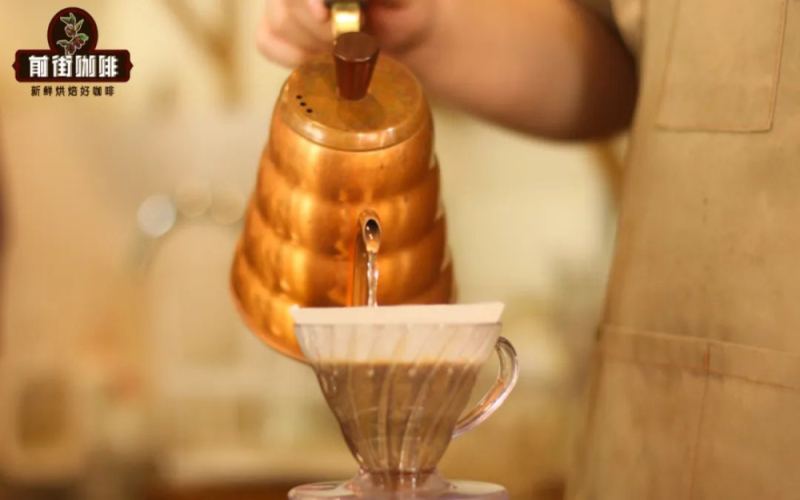
The pouring height in pour-over coffee may seem like a minor detail, but it directly affects the penetrating force of the water stream, the rate at which hot water loses heat, and the verticality of the stream, ultimately determining extraction efficiency and the flavor in the cup. Some people prefer pouring from a high position, while others habitually keep the spout close to the water surface. Both approaches have their merits, but only by understanding the effects of different heights can you adjust flexibly according to the kettle type and brewing method you use. In this article, Front Street Coffee systematically sorts out the three core effects of pouring height and offers practical advice to help you avoid common problems such as uneven extraction and over-agitation, so you can brew a more stable and delicious pour-over coffee. [more…]
Beginner Pour-Over Coffee Bean Recommendations and Analysis of Four Major Japanese Techniques: From Yirgacheffe to Mandheling
To brew pour-over coffee at home that rivals a café, choosing the right beans is only half the battle—brewing technique matters just as much. In this guide, compiled by Front Street Coffee, we'll first introduce you to Japan's four most iconic pour-over methods—the Matsuya style, the Kono style, the volcano pour, and the zigzag pouring method—breaking down the key steps and flavor outcomes of each. Then, organized by the three major growing regions of Africa, Asia, and the Americas, we'll recommend high-value single-origin coffee beans for pour-over beginners, including Front Street washed Yirgacheffe, Front Street Lintong Mandheling, Front Street PWN Golden Mandheling, and Front Street Guatemala Huehuetenango, along with specific brewing parameters and technique tips to help you find the cup that best suits your taste. [more…]

Types of Black Coffee | What is Japanese-style Coffee? What Are the Japanese Coffee Brewing Methods? What Are the Differences Between Japanese-style and Italian-style Coffee?
Coffee is a beloved beverage all over the world and the most popular drink globally. When it comes to dedication to coffee, Japan undoubtedly stands out, because Japan's coffee culture has a very long history, and Japanese coffee craftsmen are also highly dedicated. As another mainstream representative, [more…]
Single-Origin Pour-Over Beans for Beginners | What Are the Four Japanese Pour-Over Techniques? How Do Different Coffee Brewing Methods Affect Coffee Flavor?
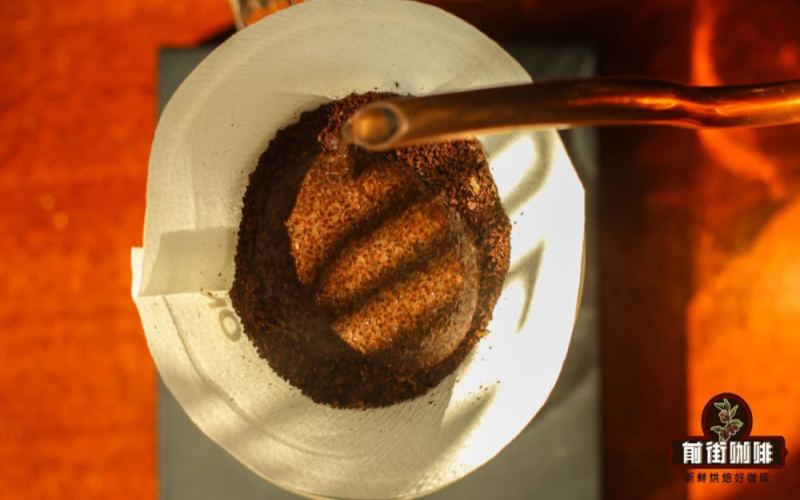
Recently, many coffee-loving friends who come to Front Street Coffee to buy coffee beans have asked Front Street how to correctly brew pour-over coffee to bring out its best flavor. Front Street also often says that the process of pour-over coffee is a kind of enjoyment, and coffee brewed by one's own hands feels even more delicious on a spiritual level. So this Front Street article will introduce [more…]
Brewing Guide for Full-Bodied Coffees Like Mandheling: How to Avoid Bitterness and Achieve a Rich Cup with Dark Roasts
The Indonesian producing regions, represented by Mandheling and Kopi Luwak, captivate many coffee enthusiasts with their rich, heavy, and bitter style. But what exactly determines a coffee's body? From variety, altitude, and processing method to roasting and brewing, every step influences the final mouthfeel. Starting from the definition of body, this article sorts out the key factors affecting coffee body and provides bean list references for medium-dark and medium-light roasts, including Front Street Coffee Lindong Mandheling and Front Street Coffee Blue Mountain No. 1. Finally, it focuses on how dark-roasted beans, through flannel filter cloth and Japanese brewing techniques, can preserve the oily mouthfeel while avoiding burnt bitterness. [more…]
Guatemala Antigua Washed Coffee Flavor Analysis: A Complete Overview of La Minita La Flor del Café Peaberry Taste and Origin Environment
Want to learn about the flavor characteristics of Guatemalan washed coffee beans? This article takes you deep into La Minita Estate, analyzing its unique geographical environment and microclimate, with a focus on introducing its star product—Flora Maragogipe. This bean comes from the Antigua region, uses a washed process, and features floral notes as its main theme, accompanied by a chocolate finish, caramel sweetness, and bright acidity. The article also covers information such as the estate's altitude, varieties, and strict control at the processing station, along with a little knowledge about pour-over schools. Front Street Coffee is always committed to sharing professional coffee content, and there are three low-discount events every month, allowing more people to taste high-quality coffee at affordable prices. [more…]
Why Does Pour-Over Coffee Taste Weaker When Temperatures Drop? Water Temperature Adjustments and Four Practical Tips
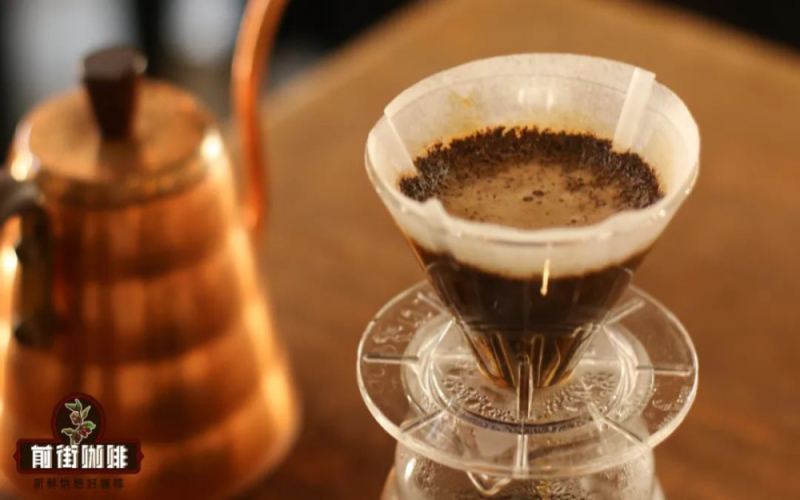
When the weather turns cold, many coffee enthusiasts notice that even with the same beans and the same technique, the coffee they brew comes out weak and lacking in flavor. This is not a problem with the bean roasting, but rather the low-temperature environment changes the rate at which the hot water loses heat, which in turn affects extraction efficiency. Starting from the principle of heat loss, this article explains in detail how cooling leads to under-extraction, and offers four actionable improvements: preheating the kettle spout, raising the water temperature, increasing the water volume, and lowering the pouring height. Finally, it includes Front Street Coffee's store information to help you consistently produce a delicious pour-over even in the cold season. [more…]
Where Does the Rich, Full-Bodied Taste of Mandheling Coffee Come From? A Complete Guide to Dark Roast Brewing Techniques and the Secret to Avoiding Bitterness
Why does Mandheling coffee taste so full-bodied? And how should dark-roasted beans be brewed to avoid a burnt, bitter taste? This article systematically examines the key factors affecting coffee body—from coffee variety, growing altitude, and processing method to roast level, brewing equipment, and technique—and offers recommendations from the Front Street Coffee bean list for full-bodied beans at different roast levels. Whether you're a dark-roast lover who prefers an intense body or a single-origin coffee enthusiast trying to understand where body comes from, you'll find practical ideas for choosing beans and brewing. [more…]
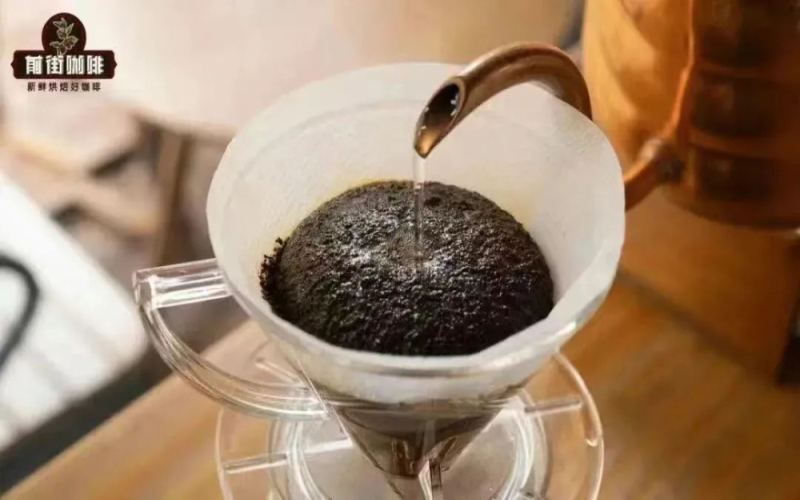
Why Does Japanese Hand-Drip Coffee Favor a Large Dose? Analyzing the Extraction Logic of High Concentration and Low Extraction
Japanese-style pour-over often uses a large dose of 20g or more—what extraction logic lies behind this? Starting from the characteristics of the dark-roasted beans favored by the Japanese, this article explains why they dislike bitterness, why they choose a coarse grind, and how a large dose slows the flow and increases concentration by thickening the coffee bed, ultimately forming a "high concentration, low extraction" style. The article also compares the differences between the Japanese-style coffee-to-liquid ratio and the conventional coffee-to-water ratio, and points out how a long extraction time, combined with a large dose, brings out caramel aroma and a highly sweet, lingering finish. If you are interested in the unique methods of Japanese brewing, or want to understand the concept of high concentration, low extraction discussed by Front Street Coffee, this article will give you clear answers. [more…]
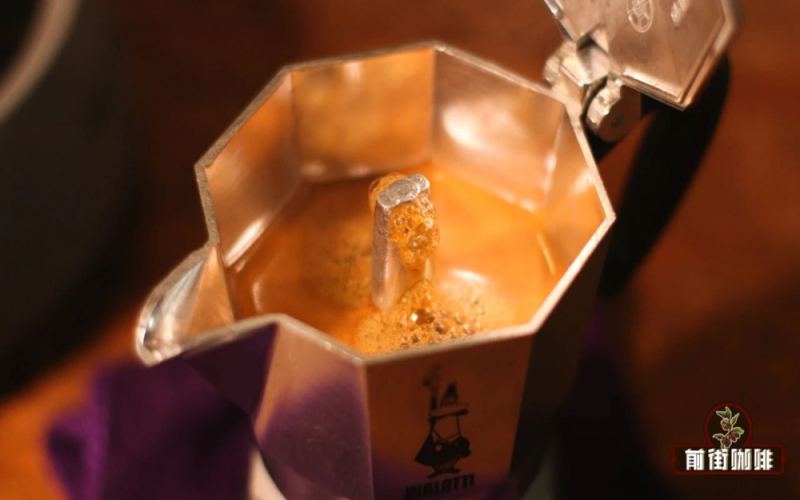
Easily Make Cappuccino at Home: A Complete Guide to Espresso and Milk Frothing Techniques
Cappuccino, with its rich coffee aroma and dense milk foam, has always been a popular choice in coffee shops. But have you ever thought about recreating an authentic cappuccino at home without a professional espresso machine? This article will start with the flavor characteristics of cappuccino, breaking it down into two parts: espresso and steamed milk. It will introduce extraction methods such as the moka pot and pour-over, as well as frothing techniques using an electric milk frother, milk frothing pitcher, and French press. Front Street Coffee will also share a sunflower warm sun blend bean suitable for pairing with milk, along with specific coffee-to-water ratios, water temperatures, and operating steps to help you easily make a cappuccino at home with the right temperature and full-bodied taste. [more…]
A Detailed Guide to Pour-Over Coffee Staged Extraction Techniques: A Full Breakdown of One-Pour, Three-Pour, and Three-Stage Brewing Steps
Among the many schools of pour-over coffee, single-pour, three-pour, and volcano methods each have their own characteristics, and the three-pour method is the classic example of staged extraction. By dividing the pour into several stages, staged extraction can present a richer sense of layering, clearly distinguish the flavors of the coffee's front, middle, and back sections, and at the same time reduce the chance of water escaping from the edge of the dripper, improving brewing stability. However, this technique also places higher demands on controlling flow rate and water volume. This article will use beans from Costa Rica's Pilon processing plant as an example to break down the steps of staged extraction in detail, and answer the common confusion about when to stop and when to pour again, helping you easily master this technique. [more…]
An Analysis of the Seven Major Pour-Over Coffee Schools: A Full Comparison of Brewing Techniques Including the One-Pour and Three-Pour Methods
The charm of pour-over coffee lies not only in the flavor itself, but also in the ever-changing brewing techniques. In coffee enthusiast circles, there are seven major brewing schools: volcano pour, meteor pour, one-cut pour, three-cut pour, tamped pour, stirring method, and drip pour. Except for the drip pour, all the other methods use circular pouring. Each school has its own unique extraction logic and flavor orientation—some pursue layering, some emphasize sweetness, and some are better suited for enthusiasts to explore. This article breaks down the key operational points, pros and cons, and suitable scenarios for each method one by one, and includes practical advice from Front Street Coffee to help you find the style that suits you best in your daily brewing. [more…]
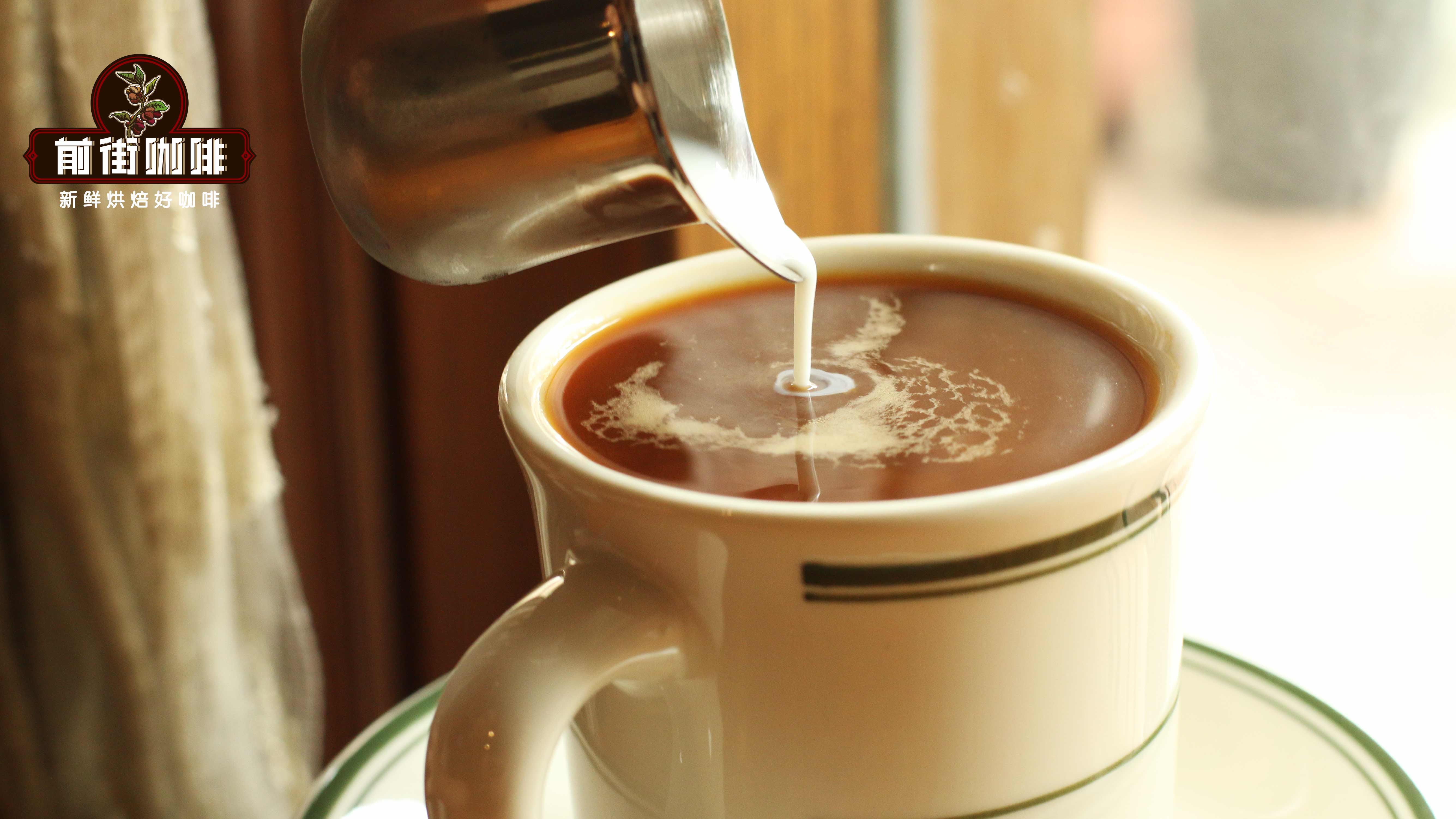
Can Pour-Over Coffee Be Mixed with Fresh Milk? A Complete Analysis from Historical Origins to Ratio Pairings
Pour-over coffee with milk may seem like a "rebellious" way to drink coffee to many coffee lovers. However, this combination is not a whim of modern people. As early as the 17th to 18th centuries in France, a milk coffee called Café Au Lait was already all the rage, and its preparation method was very similar to today's pour-over coffee. This article will take you through the historical origins of adding milk to pour-over coffee, clarify the relationship between pour-over coffee and specialty coffee beans, and provide specific milk-adding suggestions and ratio references for coffee beans with different roast levels. Whether you are a purist who insists on drinking it black or a milk coffee lover who prefers a smooth taste, you can find an answer that suits you. [more…]